


The Power of Communities at RSA Conference 2026: A New Era of Cyber Defense

Co-founder and CEO, Cyware
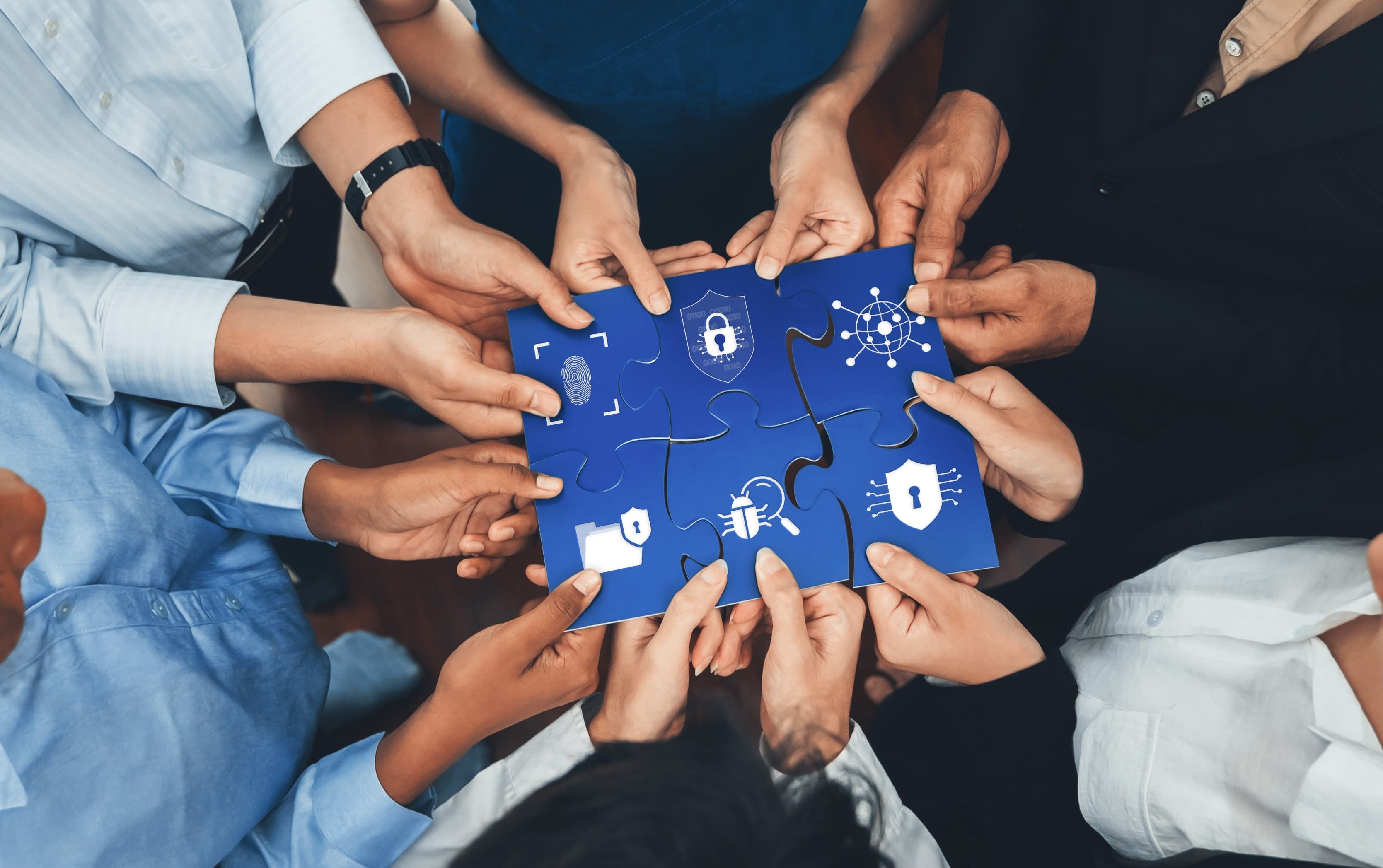
There is a quiet transformation underway in cybersecurity, one that does not make headlines the way adversaries’ actions do, but may matter far more in the long run. Organizations are beginning to defend together. And the results are remarkable.
This year's RSA Conference theme, "The Power of Communities," captures something real. Across industry sectors, including financial services, healthcare, manufacturing, energy, and across other critical infrastructure sectors, security leaders are discovering that shared intelligence is not just a nice-to-have but is also becoming a necessity for proactive defense. It is a force multiplier unlike anything a single person or team can build alone.
The Shift That Changes Everything
For years, the instinct in security was to hold information close. Understandably so. Sharing felt like exposure. But the most forward-thinking organizations flipped that logic by establishing trusted sharing groups (ISACs) to share cyber threat intelligence securely. Their message was simple: when one member org of an ecosystem spots a threat, every member org benefits from operationalizing it to proactively deploy defenses needed to protect their infrastructure.
The real transformation, however, is not just in sharing, which has been in place for over two decades. It is in scaling the collaboration by automating the exchange of contextual and actionable threat intelligence, defense rules, and risk signals.
Today, cyber threat intelligence does not need to sit in inboxes or static reports. It can move at machine speed. When an organization identifies a new indicator, the platform can enrich SIEM detections, alert the relevant analysts, and provide recommended response actions. Security teams can then review, validate, and take action with the right context and speed.
The speed of shared knowledge can now outpace attack propagation. And when that sharing is automated, the community stops being just an idea. It becomes a force multiplier for faster detection, faster response, and stronger collective defense. One analyst's discovery can become an automated defense for hundreds of connected organizations that trust each other. That is the multiplier communities make possible.
What makes this work in practice is not just willingness. It is architecture. When a large organization distributes ready-to-use threat intelligence across its ecosystem, and that intelligence proactively informs defense updates, routes alerts, and closes gaps, the community becomes an operational advantage rather than just a philosophy.
Ecosystem Security Is the New Competitive Edge
The most exciting development I see is how organizations are beginning to take ownership of their ecosystem's security, not as an obligation, but as a strategic investment. A large enterprise that elevates its suppliers' security posture reduces its own risk. A private equity firm that distributes intelligence across its portfolio protects its returns. A financial institution or regulator that enables timely, actionable threat intelligence sharing builds systemic resilience. The same model extends to global sports leagues and federations, where safeguarding a complex, interconnected ecosystem is critical to preserving operational integrity and brand trust.
This is a fundamentally different model, one built on distributing capability rather than consolidating it. And it is creating a new kind of security leader, the organization that does not just protect itself, but lifts the security of everyone it depends on.
The Conversation Worth Having at RSAC 2026
We are at a tipping point. The tools to build genuine threat intelligence communities, ones that share, automate, and act at scale, now exist. The question is no longer whether community-based defense works. The question is how fast we can create new leading organizations that are willing to protect their own strategic investment (suppliers, portfolio companies, team) and peer ecosystem.
RSAC 2026 is where that conversation happens. Not just about what threats are coming, but about how our industry is building the collective capacity to meet them together. This year’s theme reinforces a critical idea. Cybersecurity is no longer just about defending individual organizations. It is about strengthening the entire ecosystem. RSA deserves credit for consistently championing the role of community in making that possible.
About the Author
Anuj Goel
Co-founder and CEO, Cyware