


A Step-by-Step Guide to How Cyware Intelligence Suite Transforms Threat Intel Management

Modern security teams don’t just need threat intelligence. Their critical need is operational intelligence that flows seamlessly from ingestion to analysis to action. The Cyware Intelligence Suite is designed for exactly that: a unified platform built on the proven Cyware Intel Exchange foundation, expanded with AI, automation, and modular capabilities that help analysts detect faster, understand deeper, and act smarter.
The Cyware Intelligence Suite brings together six powerful capabilities, including Exposure Management, Sandboxing, Adversary & Malware Campaign Analysis, Threat Detection & Hunting, Phishing Campaign Identification, and IOC Enrichment, to help security teams turn intelligence into decisive action.
To experience how these capabilities come together in a real analyst workflow, watch the interactive demo of the Cyware Intelligence Suite.
In this guided blog version of that interactive experience, learn how the modules work during real threats and see how you can get immediate security outcomes through each module.
1. Know Your Risks Before Attackers Do
When an incident unfolds, one of the first things defenders must understand is which assets, users, or external exposures could be targeted next. The Exposure Management capability gives analysts this clarity by offering a real-time view of vulnerable accounts, misconfigurations, shadow assets, and externally exposed services that an attacker might exploit. Instead of sifting through scattered visibility tools, analysts can come to this tab and immediately see prioritized risks tied to their threat landscape.
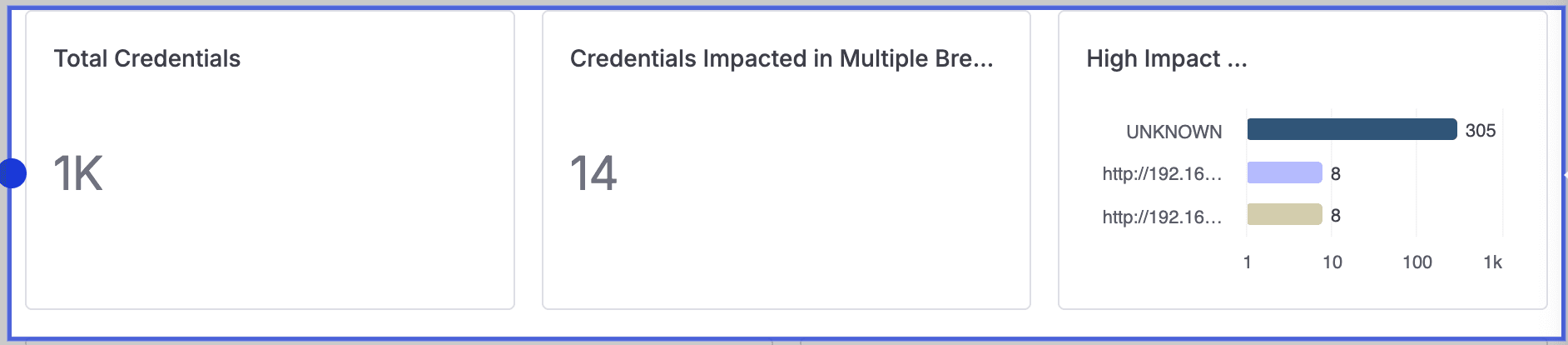
The dashboard lets them explore each risky entity, trace exposure timelines, and quickly determine the potential blast radius of an attack. Every entry opens detailed context and recommended actions, making it easy for teams to move from identification to remediation without switching tools.
2. Quickly Understand Malicious Files Without Risk
During suspicious email incidents or file-based attacks, analysts must quickly determine what a file does before it spreads. The Sandboxing capability provides a safe, isolated environment to detonate and analyze potentially malicious files within minutes.
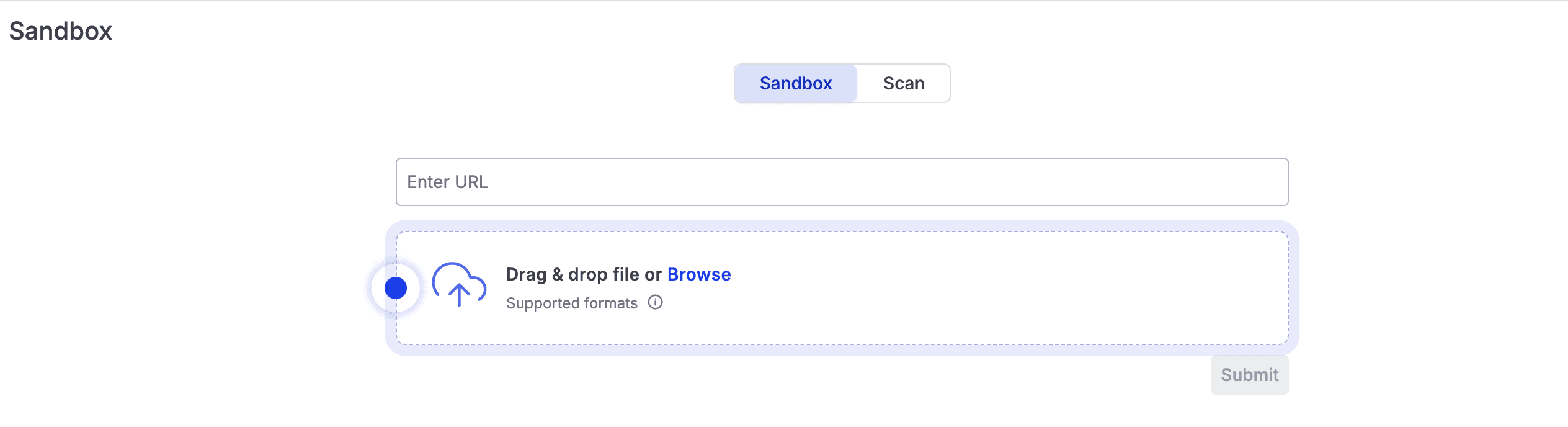
The platform captures behavioral changes, process trees, registry edits, and network activity, giving analysts a clear picture of the file’s intent and capabilities. Analysts get a complete analysis automatically enriched with context, indicators, and potential threat actor connections. This workbench becomes especially valuable in fast-moving incidents where triage speed can make the difference between containment and escalation.
3. Understand the Story Behind the Attack
When threats appear related or when analysts suspect a larger campaign, they need a broader view that goes beyond individual alerts. The Adversary & Malware Campaign Analysis capability connects the dots by correlating malware families, threat actors, tactics, industries, and infrastructures into a unified campaign narrative.
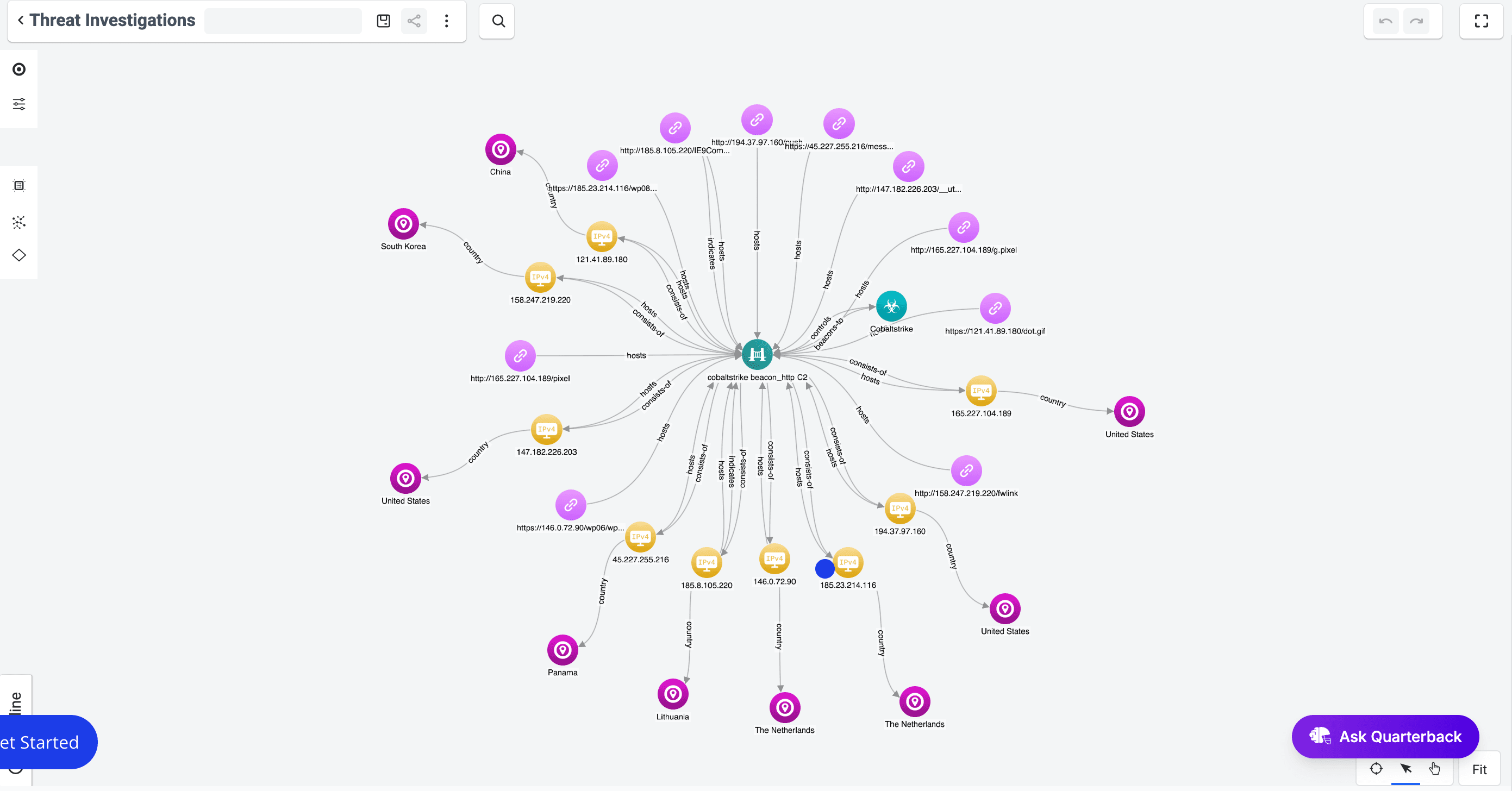
In the demo, this tab reveals interactive visualizations that show how different indicators and artifacts relate to each other, enabling analysts to see whether the alerts unfolding in their environment are part of a targeted effort or tied to a known global campaign. This intelligence gives defenders the strategic context needed to plan detections, anticipate the attacker’s next move, and coordinate a more effective response across teams.
4. Validate, Investigate, and Stay Ahead
During active threats, two questions dominate every analyst’s mind: “Are we impacted?” and “Where else could this threat be operating?” The Threat Detection & Hunting capability provides the investigative environment to answer both. The demo takes users through a powerful interface where they can search across indicators, alerts, observables, malware, and related intelligence, turning raw data into actionable insights. Analysts can pivot across entities, uncover patterns, validate hypotheses, and surface suspicious behavior using AI-driven correlations.
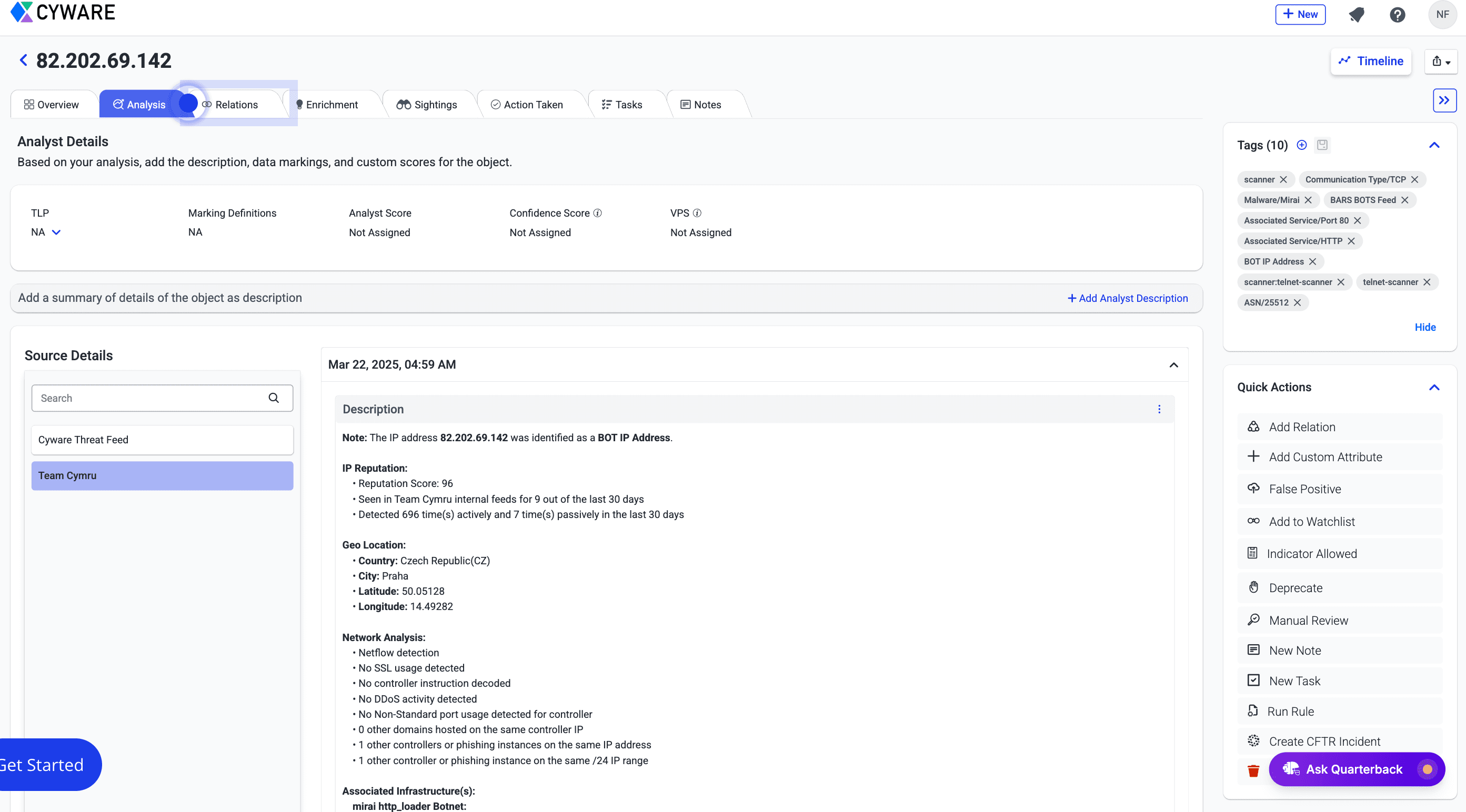
As they navigate the tab, they can drill into entity details, analyze relationships, and launch further searches, all without leaving the workflow. This capability ensures that defenders don’t just react, they proactively uncover hidden risks and stay ahead of evolving threats.
5. Catch Campaign-Level Attacks Early
Phishing is often the first step in credential theft, account compromise, or malware delivery. During a phishing wave, manually reviewing emails makes it difficult to identify whether a message is an isolated attempt or part of a broader campaign. The Phishing Campaign Identification capability solves this by automatically extracting URLs, attachments, and artifacts from reported emails and clustering them into meaningful patterns.
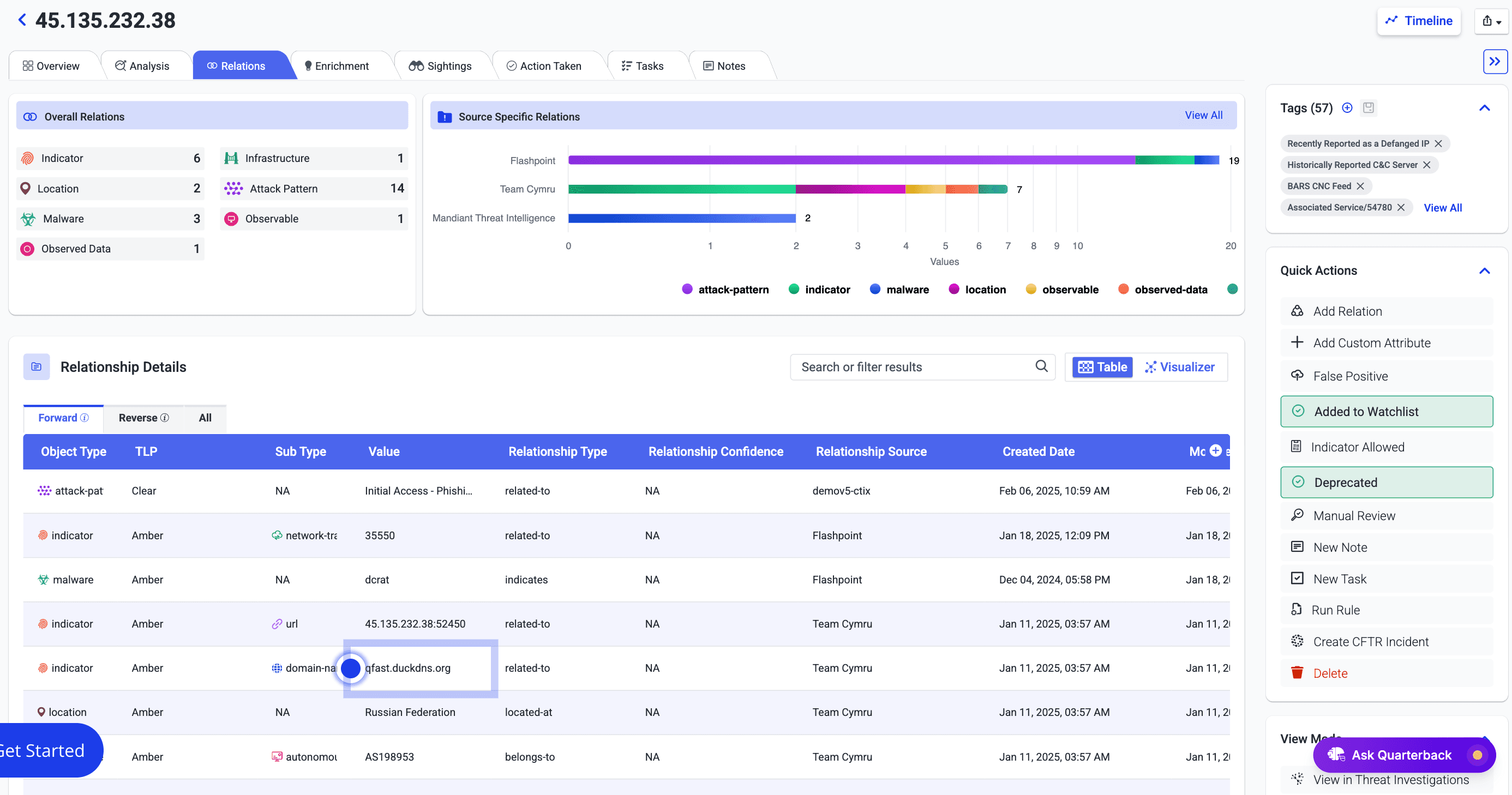
In the demo, the tab presents a clean, visual interface that highlights repeated senders, recurring domains, and evolving phishing themes. Analysts can quickly assess whether employees are being targeted systematically and can take action before attackers successfully compromise accounts. It turns scattered reports into a campaign-level understanding that strengthens early detection and response.
6. Turn Raw Indicators Into Decisions
When analysts encounter unknown IPs, URLs, or file hashes during an investigation, acting without context can lead to misjudgment. The IOC Enrichment capability removes uncertainty by instantly transforming raw indicators into rich, contextual intelligence.
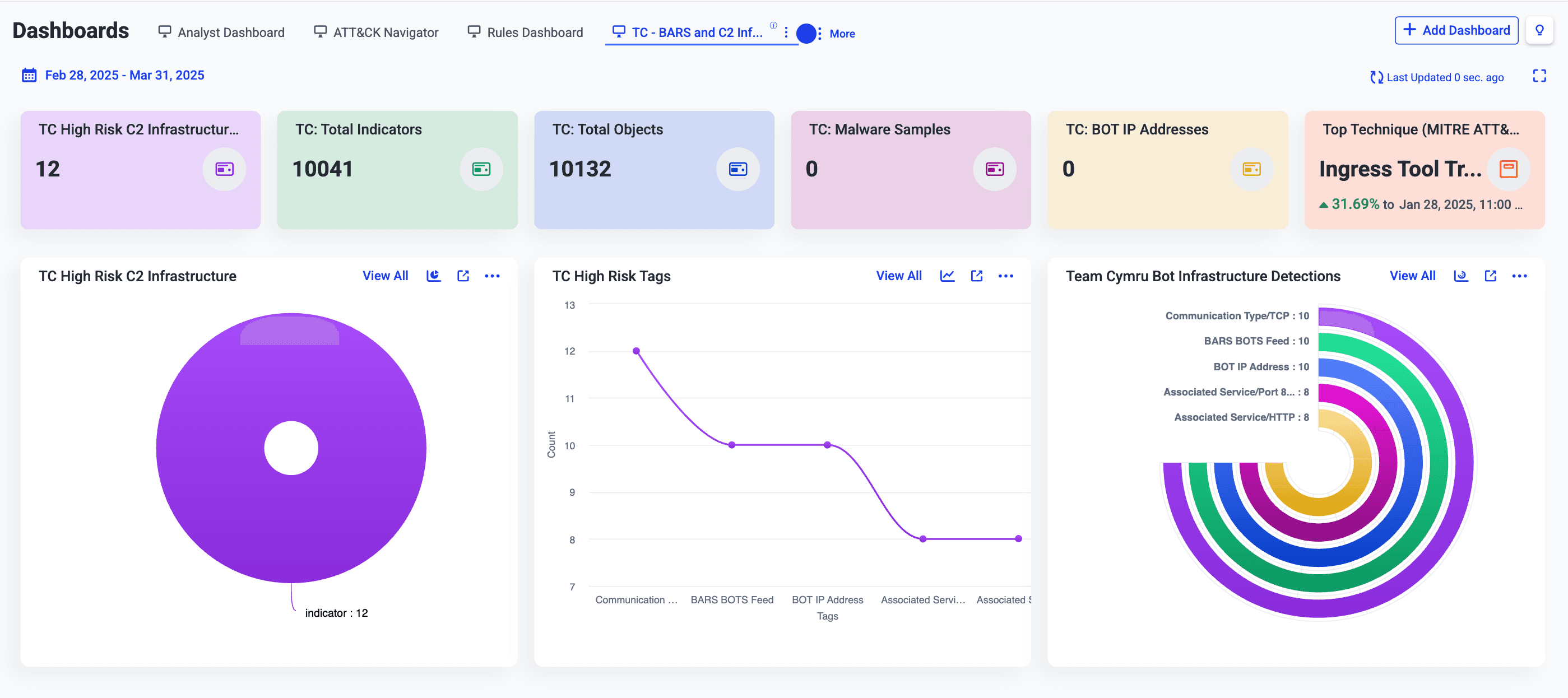
This tab shows how IOCs are enriched with geolocation, historical sightings, associated malware, and potential threat actors. Instead of manually gathering data from multiple sources, analysts get comprehensive insight in seconds, making it easy to decide whether an indicator should be escalated, blocked, hunted for, or monitored. This immediate clarity accelerates every investigation and feeds directly into detection rules or response actions.
Connected Intelligence for Continuous Security Operations
While each capability solves a different part of the intelligence lifecycle, the true strength of the Cyware Intelligence Suite lies in how seamlessly they work together. Exposure insights lead to sandbox analysis; sandbox findings feed campaign connections; those insights power hunting investigations; phishing artifacts and enriched indicators reinforce detections. Everything flows into an integrated, automation-ready workflow that supports teams before, during, and after an incident.
Experience the Interactive Demo to get a walkthrough of each capability, explore automated intelligence flows, and see exactly how the platform helps teams investigate faster and respond smarter.
About the Author